Network Activities
FUNDING OPPORTUNITIES
Summer Projects
This is our flagship opportunity and a very powerful belonging intervention, because access to these opportunities is often uneven and influenced by confidence, mentoring, and informal networks. As part of the Missing Elements project, funding for placements were opened up for short-term apprenticeships particularly aimed at enriching the undergraduate experience of students.
These are aimed at:
- build laboratory/research experience
- strengthen CVs and postgraduate applications
- increase confidence and belonging in scientific environments
- expose students to academia or industry
Cultivating Chemistry Communities on the Campus
Building strong communities within chemistry departments is vital for supporting student belonging, confidence, and progression in the chemical sciences. Beyond academic performance, students’ experiences of inclusion and connection significantly shape whether they feel able to participate fully in scientific spaces. Community-led initiatives provide opportunities for peer support, professional development, and open discussion around identity and experience in chemistry, helping students feel more confident, visible, and supported throughout their academic journey.
To find out more about our network/society across all three campuses as well as all that we have been up to, read below.
YOUR PART
Complete Our Survey
The survey is designed to gather insights into the experiences of those working and studying in the chemical sciences. The aim is to foster community-led change through collaboration, networks, internships, and funded opportunities.
Summer Projects
These scholarships directly align with the Royal Society of Chemistry’s six strategic goals for racial equity outlined in their Missing Elements report, particularly the call to:
Widen access to high-quality research experiences,
Improve retention and progression,
And ensure racially inclusive environments in academia and research.
Through these summer placements, we aim to close opportunity gaps that have historically limited representation in STEM research pathways.
The partner universities have awarded 10x scholarships, each valued at:
£2000 stipend to support living costs during the placement
£600 consumables allowance per project to fund research activity
These projects are more than just academic experiences — they are stepping stones toward long-term inclusion and representation in the field of chemistry. By investing in emerging scholars now, we are shaping a future chemical sciences community that is not only excellent but also equitable
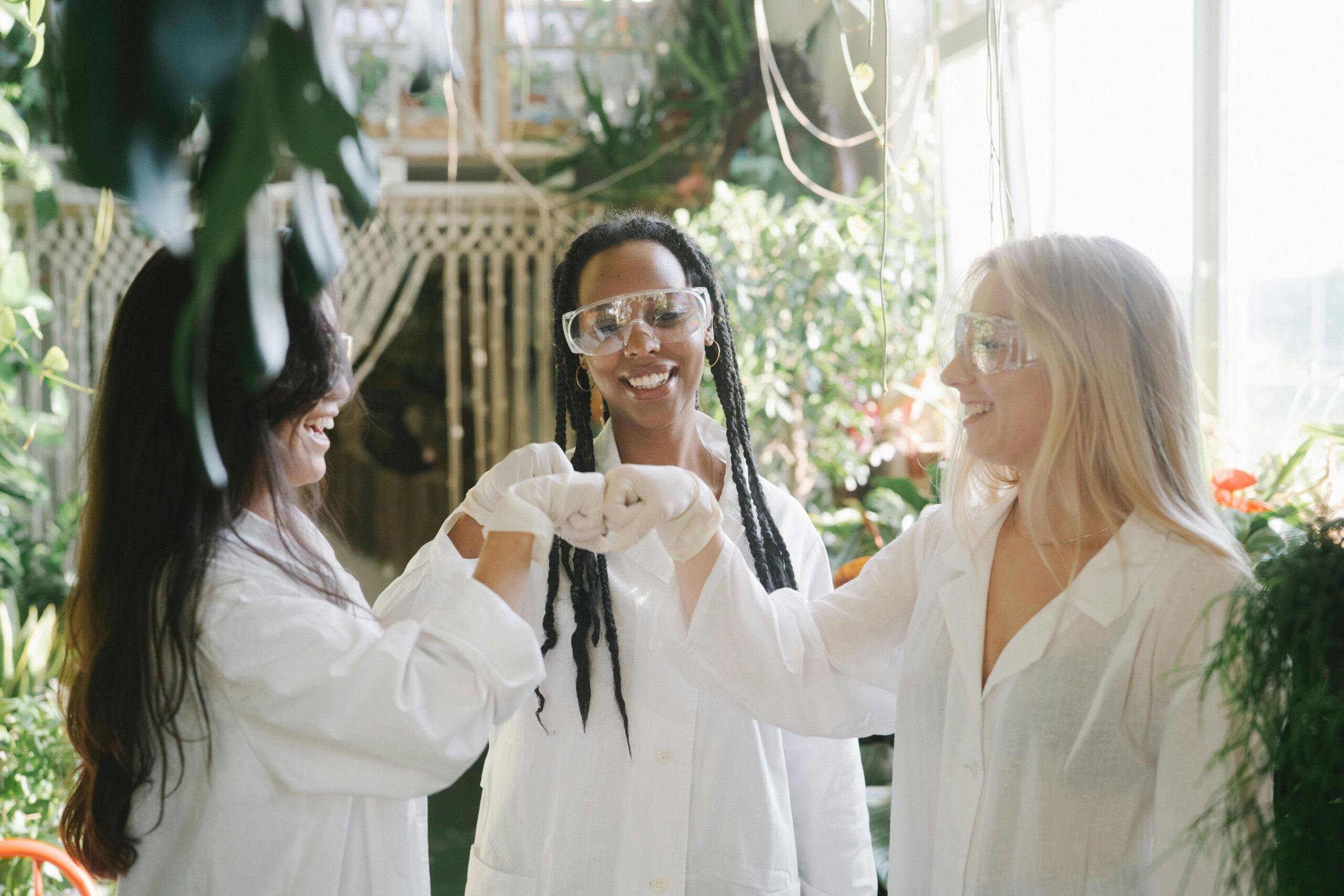
The Students
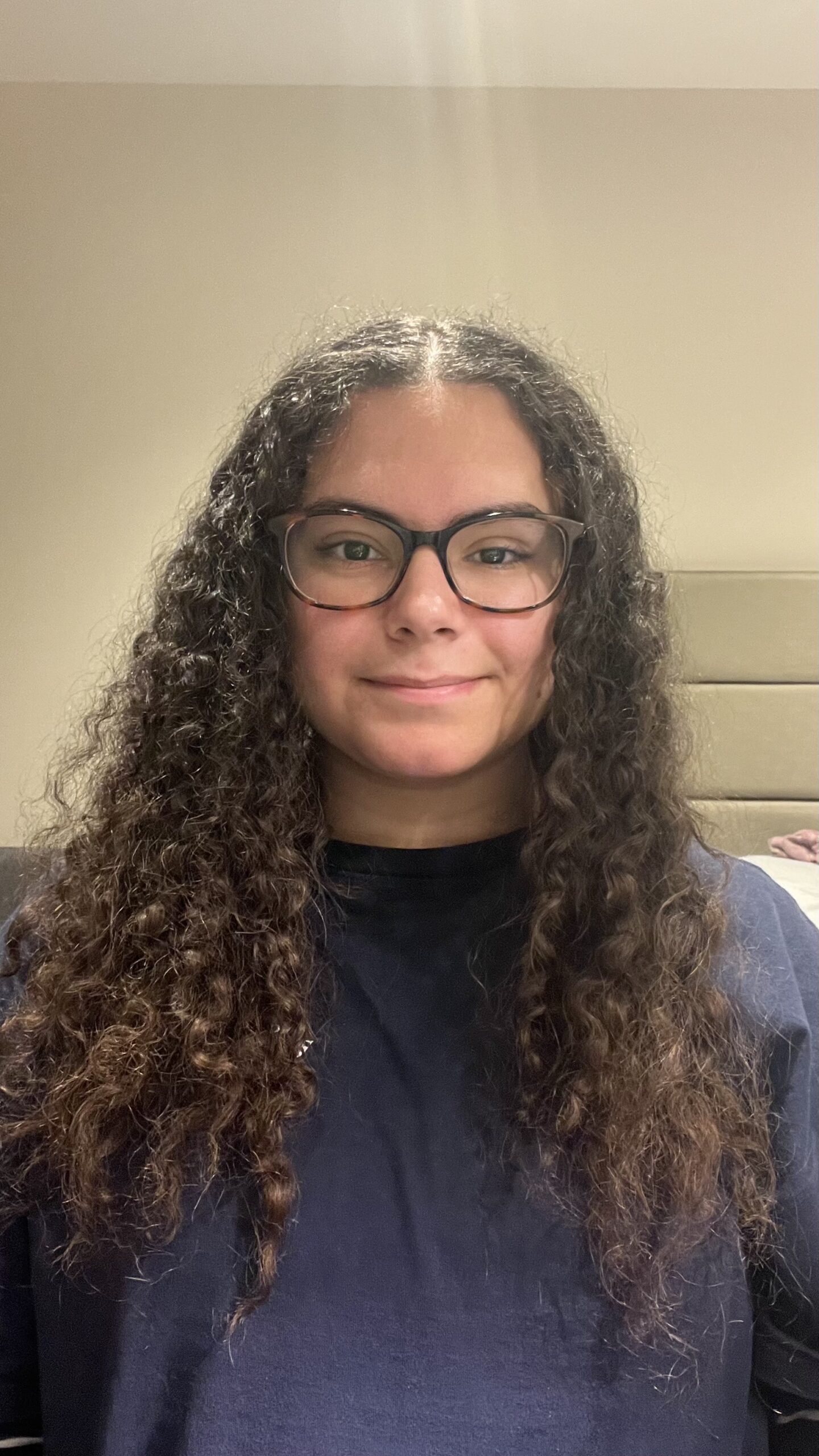
Abigail Oluwadiya
I’m an undergraduate chemistry student at the University of Kent. I’m passionate about exploring how computational chemistry and AI can accelerate drug discovery and sustainable materials.
Iren Miranlieva
I am a third year Chemistry Student at the Uni of Kent. I’m particularly interested in cosmetics formulation, green chemistry and enjoy the hands-on experience being in a wet lab gives
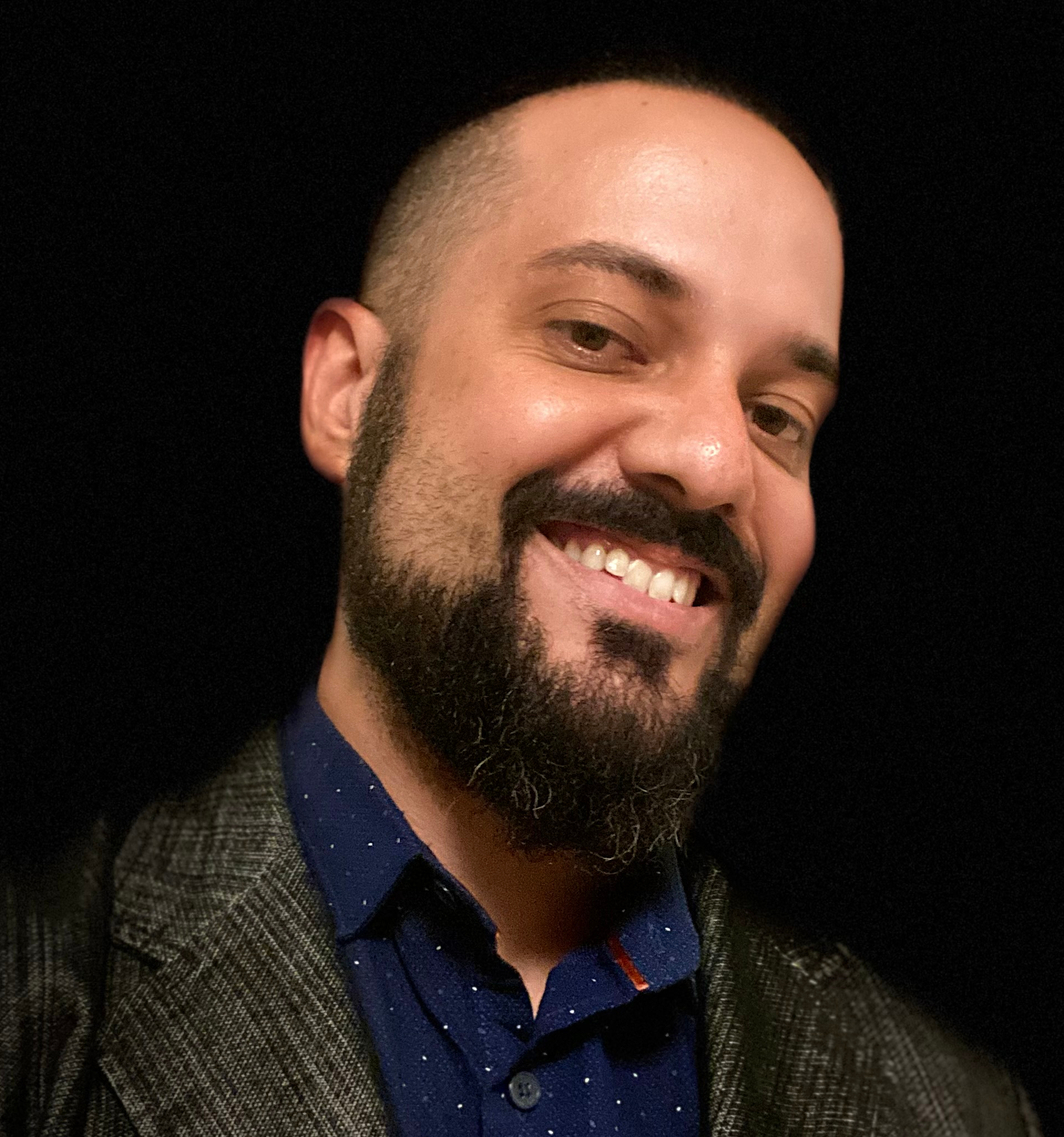
Harry Mcgahan
Chemistry student at the University of Kent with an integrated master’s year. Interested in a career in research and synthesis of photoswitching chemicals for applications in drug sensing.
Fatima Jamil Imitiaz
I am a second year BSc Pharmaceutical Science student at the University of Salford who has great passion for research, chemistry, and the pharmaceutical industry
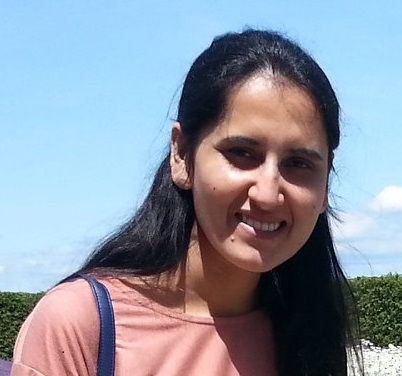
Akanshka Fuse
Akanksha is currently pursuing a PhD in Biotechnology and Nanotechnology at the University of Salford, under the supervision of Dr. Zjelka Krpectic.
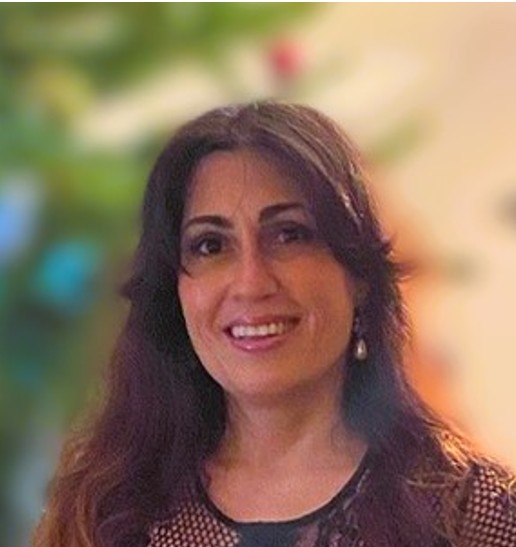
Dorothy Madzova
Driven by a passion to advance science and healthcare, Dorothy explored medicinal and analytical chemistry through hands-on research.
Fatima Begum
I am currently studying Biochemistry, a subject I find interesting as it is the intersection of biology and chemistry.
Amber Alcantara
An undergraduate student from the University of York, summer project supervised by Dr. Avtar Matharu.
Ava Yassaie
Ava Yassaie 4th year MChem chemistry, biological and medicinal chemistry student at the University of York.
The Supervisors
UNIVERSITY OF KENT
Dr Mandeep Kaur Chahal
Dr Mandeep Kaur Chahal is a Lecturer in Chemistry at the University of Kent. Her main research interests focus on the functionalization of tetrapyrrolic chromophores with an aim to develop them as advanced functional materials for photocatalysis and solution processable porous materials selective for gas uptake.
UNIVERSITY OF KENT
Dr Felipe Fantuzzi
Dr Felipe Fantuzzi is a Lecturer in Chemistry at the University of Kent. His research combines quantum chemical methods to investigate unusual electronic structures, bonding patterns, and molecular reactivity, alongside multiscale modelling to address large-scale phenomena in complex chemical systems.
UNIVERSITY OF KENT
Mr Tosin Bodumde
Tosin is a chemistry technician at the University of Kent, and his project will be on exploring the effect of substituent ring positioning on gas chromatographic separation of methylbenzoic acid isomers.
UNIVERSITY OF SALFORD
Dr Rosa Arrigo
an Associate Professor in Inorganic Chemistry at the University of Salford, UK, with a distinguished academic and research background in materials chemistry and catalysis. I earned my PhD in Natural Science with highest honors from the Technical University of Berlin.
UNIVERSITY OF SALFORD
Dr Robert Hyde
Has a BSc (Hons) in Applied Chemistry and a PhD from the University of Sheffield. My PhD research focussed on synthesising and analysing photoactive supramolecular porphyrin assemblies.
UNIVERSITY OF SALFORD
Dr Rachel Makgae
Is a Lecturer in Biomedicine specialising in medicinal chemistry, particularly the discovery and development of new therapeutic agents for malaria. My work lies at the interface of rational drug design, synthetic chemistry, and biological screening. I hold a PhD in Pharmacy and Pharmaceutical Sciences from the University of Manchester.
UNIVERSITY OF YORK
Prof Avtar Matharu
Professor Avtar Singh Matharu is Senior Lecturer and PGT MSc Green Chemistry and Sustainable Industrial Technology Course Director at the University of York.